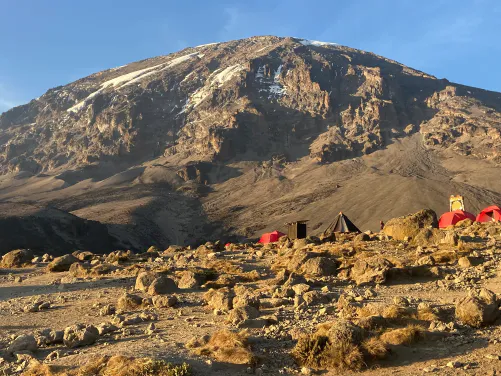

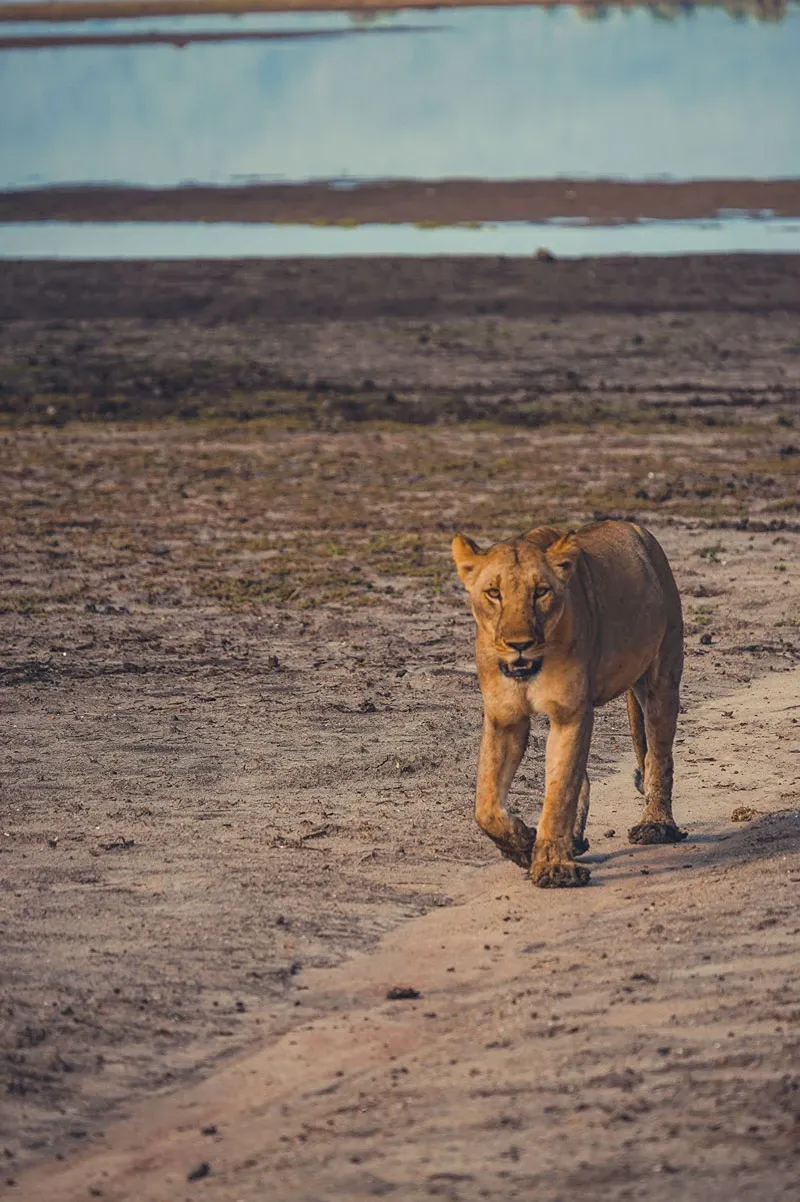
Tanzania is arguably the ultimate safari destination in Africa, renowned for hosting the Great Wildebeest Migration and the world-famous Ngorongoro Crater. However, the country is massive, and your safari experience will fundamentally depend on which of the three major Tanzania safari circuits you choose to explore.
While the Northern Circuit is the most popular choice, the Southern and Western routes offer distinct, specialized adventures. There is no single "best" option; instead, there is a best safari for every type of traveler.
This guide breaks down the major circuits to help you find your perfect Tanzanian adventure.
1. The Northern Circuit: The Classic, Iconic Safari
The Northern Circuit is Tanzania's most famous and accessible safari route, known for its high concentration of wildlife and iconic, globally recognized parks.
Key Destinations
Serengeti National Park (The Icon): Home to the annual Great Wildebeest Migration, the Serengeti offers phenomenal predator sightings year-round. It consistently wins international awards for the best park in Africa.
Ngorongoro Crater (Africa's Eden): A natural amphitheater that is home to one of the densest and most reliable populations of wildlife in Africa, including the endangered black rhino.
Tarangire National Park: Famous for its massive herds of elephants and the ancient, sculptural baobab trees that dominate the landscape.
Lake Manyara National Park: Known for its tree-climbing lions and flocks of pink flamingos (seasonal).
Northern Circuit Pros and Cons
| Feature | Details |
|---|---|
| Best For | First-time safari-goers, families, Big Five sightings, the Great Migration. |
| Accessibility | Highly accessible, with established road networks and nearby international airports (Kilimanjaro/JRO). |
| Cost | More budget-friendly options available due to a high volume of tour operators and shared road transfers. |
| Crowds | Can be crowded, especially during the peak dry season (July–October) at major migration crossing points. |
| Activities | Primarily traditional morning and afternoon vehicle-based game drives, plus optional hot-air ballooning. |
2. The Southern Circuit: The Remote Wilderness Safari
The Southern Circuit offers a more rugged, intimate, and exclusive experience. It appeals to seasoned safari enthusiasts who prioritize solitude and varied activities over checking off the classic park names.
Key Destinations
Nyerere National Park (formerly Selous Game Reserve): One of the largest protected areas in Africa. Known for boat safaris on the Rufiji River, which allow for unique views of hippos, crocodiles, and water-dependent wildlife.
Ruaha National Park (The Untamed): The largest national park in Tanzania, Ruaha is truly remote and offers an intimate wilderness feel. It is known for its huge elephant population and nearly 10% of the world's lion population.
Southern Circuit Pros and Cons
| Feature | Details |
|---|---|
| Best For | Solitude seekers, seasoned travelers, couples, varied activities, walking and boat safaris. |
| Accessibility | Remote; almost always requires fly-in safaris from Dar es Salaam (DAR) or Zanzibar. |
| Cost | Generally more expensive due to the logistics of light aircraft transfers and smaller, exclusive camps. |
| Crowds | Minimal. You will often feel like you have the entire wilderness to yourself. |
| Activities | Highly diverse: Game drives, walking safaris with armed guides, boat safaris, and night drives. |
3. The Western Circuit: The Specialized Safari
The Western Circuit is the most remote and expensive option, specializing in a specific, world-class wildlife encounter that cannot be replicated elsewhere in the country.
Key Destinations
Mahale Mountains National Park and Gombe Stream National Park: These parks, located on the shores of Lake Tanganyika, are famous globally for the opportunity to track wild chimpanzees in their natural habitat.
The Western Circuit Summary
Primary Focus: Chimpanzee trekking.
Experience: A true bucket-list expedition combined with relaxing time on the white-sand beaches of Lake Tanganyika.
Logistics: Requires multiple scheduled flights and is highly weather-dependent.
Verdict: Which Safari Circuit is Truly the Best?
Your "best" choice depends entirely on your priority.
| Priority | Best Circuit | Why It Wins |
|---|---|---|
| Seeing the Big Five | Northern (Ngorongoro Crater) | The crater floor guarantees close-up sightings of the Big Five, including the rare Black Rhino, in a single day. |
| Experiencing the Great Migration | Northern (Serengeti) | The annual movement of $1.5$ million wildebeest is exclusively located within the Serengeti and the Ngorongoro Conservation Area. |
| Avoiding Crowds/Solitude | Southern (Ruaha and Nyerere) | Due to fly-in logistics and high costs, the density of tourists and vehicles is minimal, offering a feeling of true wilderness. |
| Best Value for Money | Northern (Tarangire and Lake Manyara) | More affordable accommodation and group tour options, particularly if traveling by road from Arusha. |
| Unique Activities | Southern (Nyerere) | Offers boat safaris, walking safaris, and fly-camping, providing a different perspective from the typical game vehicle. |
The Ultimate Safari Tip: Combining the Best of Both
For travelers with sufficient time and budget (usually $10$ days or more), the absolute best safari in Tanzania is a combination:
Northern Circuit: Spend 4-5 days covering the Serengeti and the Ngorongoro Crater for the iconic, world-class game viewing and migration spectacle.
Southern Circuit: Add 3-4 days in Ruaha or Nyerere (Selous) for a contrasting experience of quiet luxury, walking safaris, and varied scenery.
Beach Extension: Finish with a few days on the pristine beaches of Zanzibar to relax after the dusty, early-morning game drives.
Best Time to Go for a Tanzania Safari
While you can go on a Tanzania safari year-round, the dry season is generally considered the best time for game viewing across all parks.
Peak Dry Season (Late June – October): Animals congregate around permanent water sources, making them easier to spot. This is the prime time for viewing the dramatic Mara River crossings in the Northern Serengeti. The trade-off is higher prices and more crowded parks.
Green Season (November – March): The landscape is lush, the light is beautiful for photography, and migratory birds are abundant. This is also the calving season (Jan-Feb), which brings intense predator action to the Southern Serengeti, offering lower prices and fewer crowds.